Complete or Reopen a Job, and What Blocks You
Complete a job only after required work and evidence are finished. Reopen it when additional action is genuinely needed so the operational record stays accurate. Follow this end-user guide for clear steps, checks, and troubleshooting.
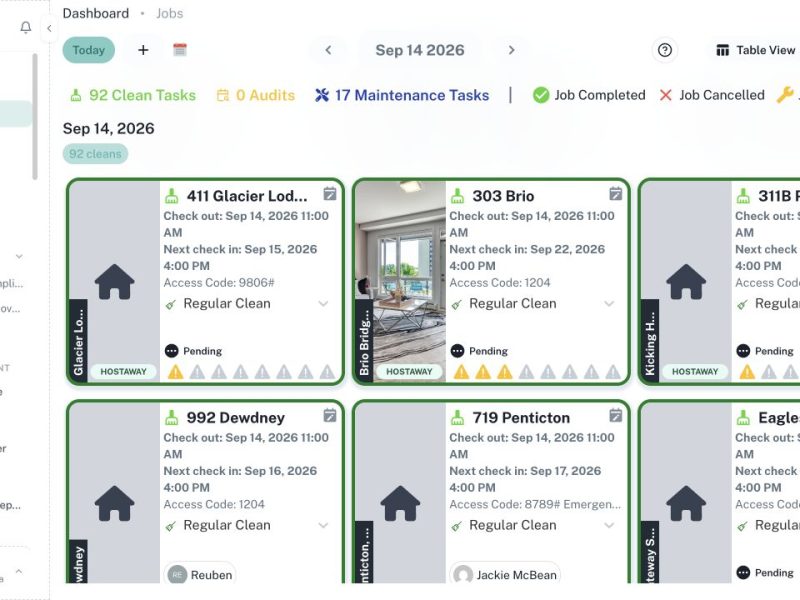
Complete a job only after required work and evidence are finished. Reopen it when additional action is genuinely needed so the operational record stays accurate.
Menu path: General > Jobs
Audience: Operations coordinators, supervisors, and authorized administrators.
What you will accomplish
By the end of this guide, you will be able to complete a job status change from the correct CleanOver screen, understand the important checks before saving, and verify that the result is visible to the people who use it next.
Before you begin
- Open the correct unit, date, and job type.
- Confirm linked tickets and required checklist items have been handled.
- Sign in to the Admin workspace and confirm you are in the correct business context.
- Use real operational dates and the property’s local timezone when the workflow includes time.
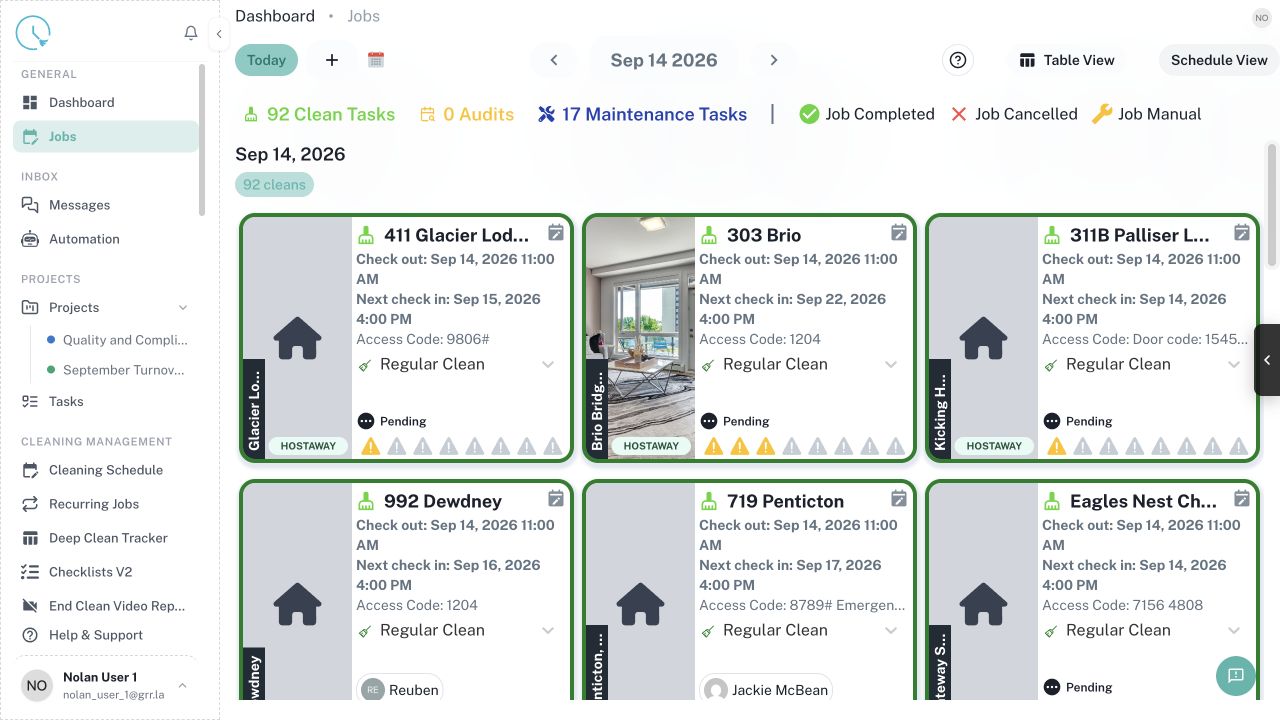
Step 1: Open the job detail
From Jobs, select the correct Clean, Audit, or Maintenance card. Confirm the unit and timing before entering any result.
Expected result: The intended job detail is open.
Step 2: Review notes and linked work
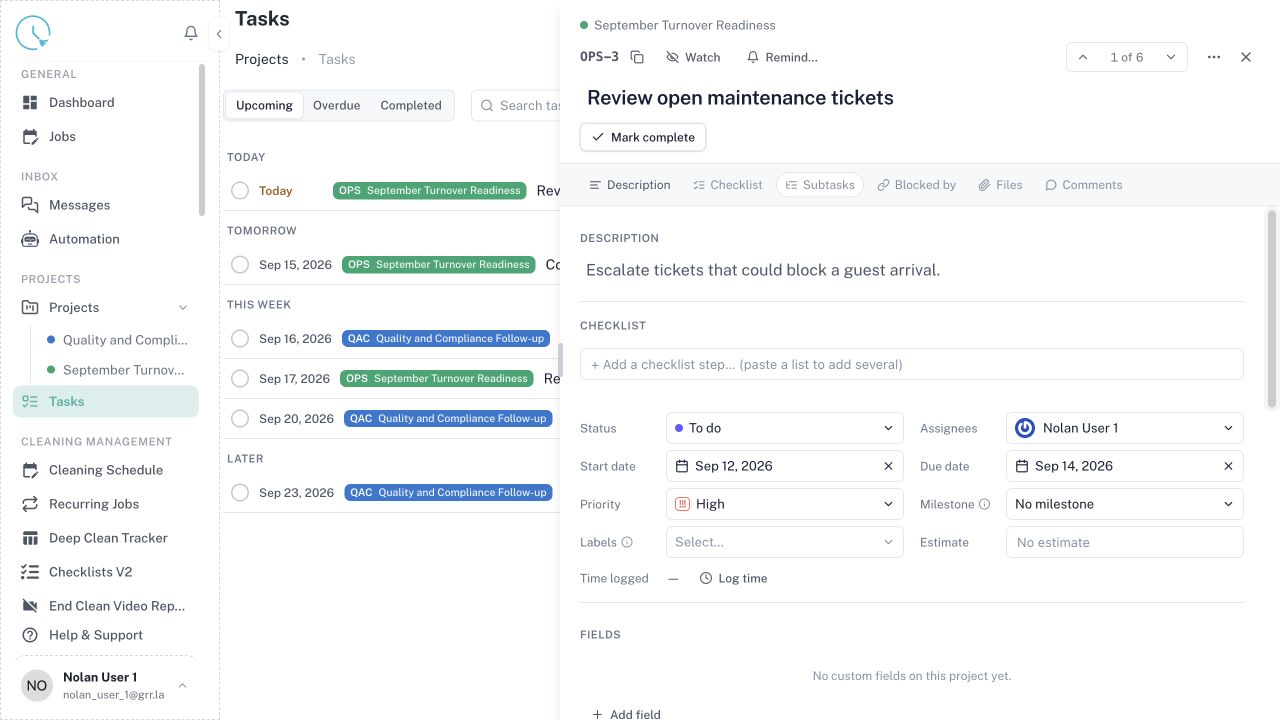
Read property notes, access information, tickets, and special instructions. Resolve required linked tasks before attempting completion.
Expected result: No required linked action is overlooked.
Step 3: Finish the checklist
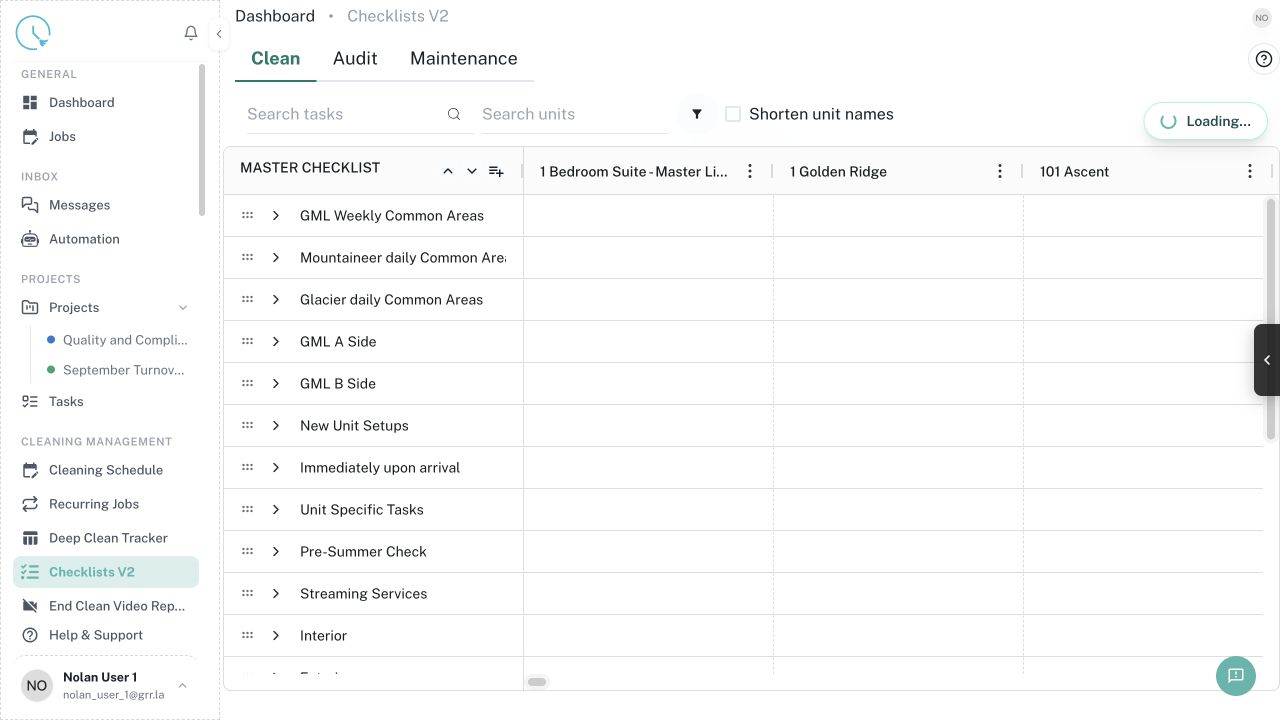
Answer every required checklist item and add the requested photos or notes. Required items intentionally block completion when evidence is missing.
Expected result: No required checklist item remains incomplete.
Step 4: Check time tracking
If the job uses time tracking, confirm the worker clocked in and that the running time is reasonable. A missing clock-in may create a warning at completion.
Expected result: The time record matches the work performed.
Step 5: Select Complete
Press Complete and read the confirmation message. Enter the completion name, work description, or signature when requested.
Expected result: The confirmation contains accurate completion information.
Step 6: Confirm the completed state
Close the success message and verify the job now shows Completed in the list. Check that completion did not leave a linked required task open.
Expected result: The job is completed once with the expected timestamp.
Step 7: Reopen only when needed
Use Reopen when the work was marked complete too early, failed review, or requires a documented return visit. Add a clear reason and assign the next owner.
Expected result: The reopened job is actionable, not merely returned to Pending.
Step 8: Resolve completion blockers
When Complete is disabled, return to the highlighted checklist, ticket, signature, or required field. Do not bypass the control by cancelling the job.
Expected result: The blocking requirement is completed correctly.
How to confirm the workflow is complete
- Refresh the destination list or calendar and confirm the saved record appears only once.
- Check the unit, date, status, owner or assignee, and any linked record before leaving the page.
- Open the next downstream view mentioned in the guide and confirm it shows the same information.
- Record an internal note when the action corrects historical data or changes another person’s responsibility.
Common issues and what to do
The expected record is missing
Clear old filters, check the date and business context, then search by the most specific identifier available. If the data comes from a connected provider, check connection and mapping status before recreating it manually.
A button is disabled
Look for a required field, incomplete checklist item, missing permission, locked lifecycle status, or unresolved linked task. Complete the highlighted requirement instead of trying to bypass it.
The page shows different information after refresh
Another user or integration may have updated the record. Compare timestamps and the source system, then apply the correction in the system that owns the data.
You are unsure whether to continue
Stop before cancelling, overwriting, revoking, or issuing a financial document. Ask the workflow owner to confirm the intended outcome and add that decision to the internal record.
Best practices
- Use clear names that make sense to a new team member without extra context.
- Prefer the smallest safe scope for bulk actions, filters, permissions, and date ranges.
- Keep guest-facing communication separate from internal diagnostic notes.
- Verify a high-risk change in a second view before considering it finished.
- Update the source configuration when the same correction is needed repeatedly.